

Posts tagged georgina adam
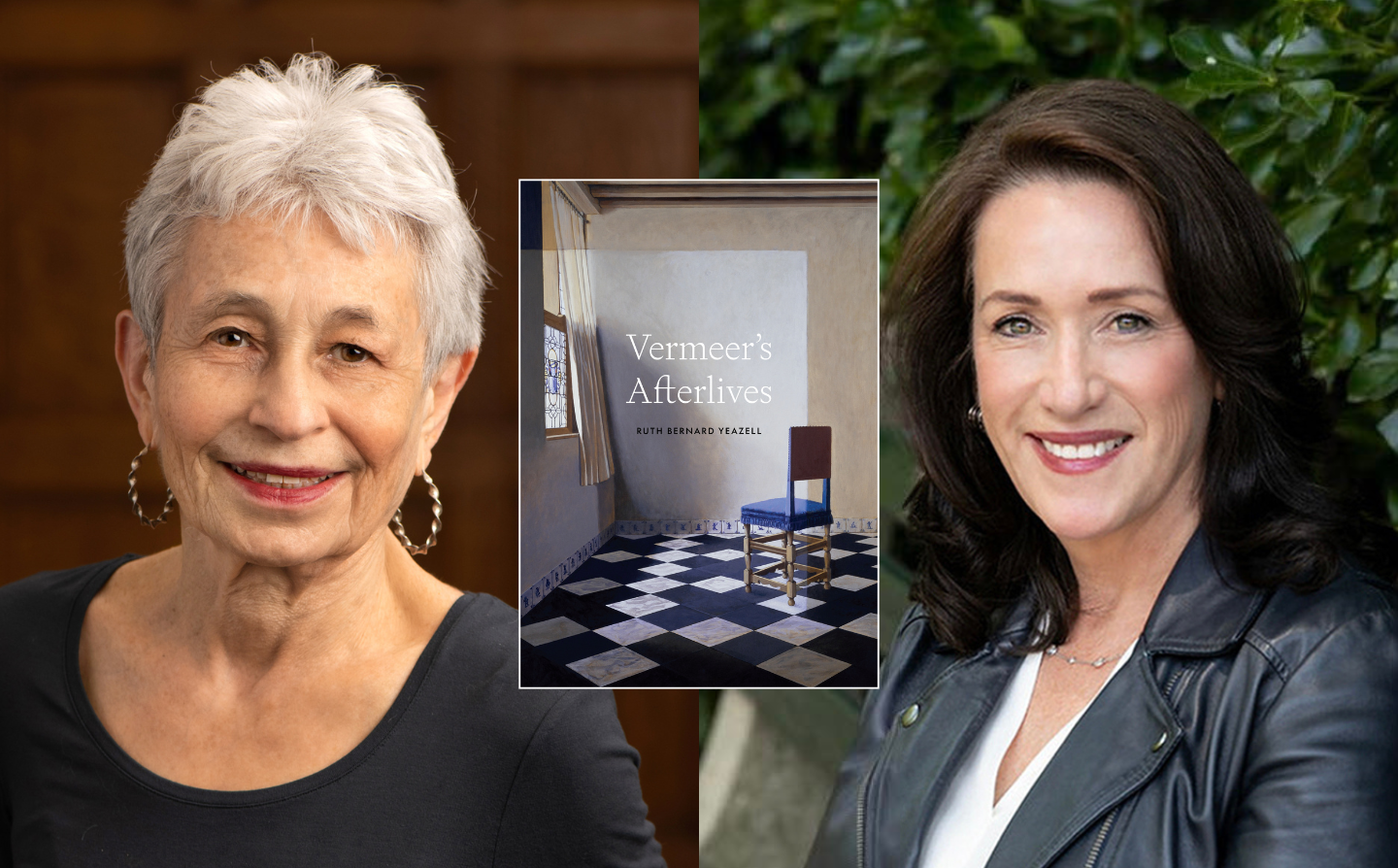
Reading the Art World: Ruth Bernard Yeazell

He was one of the greatest painters of the Dutch Golden Age—and for nearly two centuries, almost no one knew his name. Today, Vermeer is treasured. Again.

Vermeer's Afterlives, published by Princeton University Press this year, marking 350 years since Vermeer's death, traces how a French journalist's mid-nineteenth century quest to recover his work set off a remarkable chain of rediscovery—and asks how much of the Vermeer we revere was assembled, rather than simply recovered. The quiet, light-filled interiors we associate with him, and the sense of enigma that attaches to them, were shaped as much by the process of recovery as by the paintings themselves.

The forgery career of Han van Meegeren offers one of the book's clearest demonstrations of those expectations at work. Van Meegeren produced a faked Supper at Emmaus in the 1930s that was declared the greatest painting Vermeer ever made—not despite scholarly consensus, but because it filled a gap critics had convinced themselves was waiting to be filled: a missing bridge between Vermeer's early religious paintings and his later genre work. It succeeded because it told them what they wanted to hear.

The conversation turns to why his quiet, light-filled interiors have compelled critics, forgers, painters, poets, novelists, and filmmakers to keep responding to him ever since—from the lyric poets drawn to his silences to the novelists who fill his blanks with conflict the paintings themselves exclude. We discuss Lawrence Weschler's account of a war crimes judge at The Hague who spent his lunch hours in front of Vermeers, and what it reveals about what those paintings provide.

For anyone interested in Dutch Golden Age painting, the history of artistic reception, or the relationship between painting and literary form, this episode offers a close account of two centuries of Vermeer's afterlives.

It's very hard to sort out the Vermeer mystery from the fact that we forgot him—and that we know very little about him as a person—from the sense of enigma that attaches to the paintings themselves."

– Ruth Bernard Yeazell


Listen to this podcast on Spotify and Apple

Order the book here

Learn more about the podcast Reading the Art World here.

About the Author

Ruth Bernard Yeazell is Sterling Professor of English and Director of Graduate Studies at Yale University. Her books include Picture Titles: How and Why Western Paintings Acquired Their Names and Art of the Everyday: Dutch Painting and the Realist Novel, both published by Princeton University Press. Her writing has appeared in the New York Review of Books and the London Review of Books.
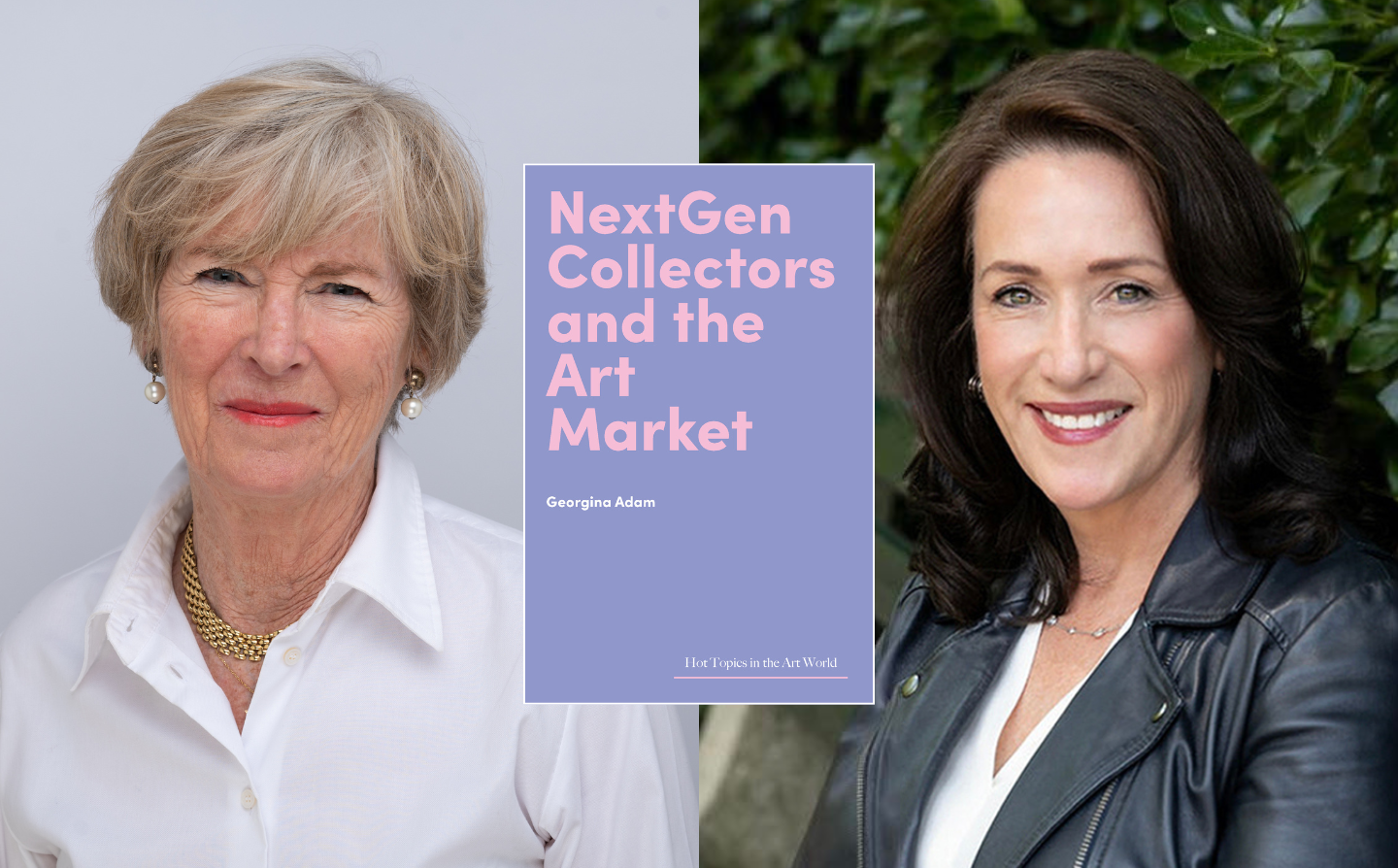

 
 
Reading the Art World: Georgina Adam

Listen on Spotify and Apple Podcasts

With the spring sales underway and the New York fair circuit just behind us, Georgina Adam's book on the next generation of collectors feels like essential reading right now.

Listen to our latest podcast episode featuring Georgina Adam, editor-at-large of The Art Newspaper, discussing her new book NextGen Collectors and the Art Market, published by Lund Humphries in association with Sotheby's Institute of Art.

What the book makes clear, and what our conversation kept returning to, is that younger collectors aren't just buying different things; they're operating from an entirely different set of references. Younger collectors came of age with the internet as a native environment, which has reshaped how they discover art, who shapes their taste, and how broadly they collect. Where an older generation built knowledge through museum visits, dealer relationships, and sustained looking, today's buyers are as likely to consult a WhatsApp group as a curator—and they move across categories, from contemporary work to old masters to antiquities, in ways the traditional trade hasn't fully figured out how to serve.

Our conversation also takes up the book's geographic argument: that the entry of collectors from China, India, and Russia—populations largely excluded from the market for most of the 20th century—is already reshaping what gets bought and valued. These buyers bring different iconographic traditions, different relationships to institutions, and different motivations, and Adam is specific about what that means for the artists, dealers, and auction houses trying to reach them.

The art market does remain elitist, it does remain opaque. Galleries particularly, and auction houses—the traditional gatekeepers—are having a hard time catching up and producing an offer that corresponds to what younger people want.

– Georgina Adam


Listen to this podcast on Spotify and Apple

Order the book here

Learn more about the podcast Reading the Art World here.

About the Author

Georgina Adam has spent more than 30 years writing about the art market and the arts in general. She was editor of the Art Market section of The Art Newspaper 2000-2008, then editor at large. She wrote a weekly column for the Financial Times for eight years, until 2016. In 2014 she published “Big Bucks: The Explosion of the Art Market in the 21st Century” (Lund Humphries). She lectures at Sotheby’s and Christie’s institutes in London and participates in panels about the market: she is a board member of Talking Galleries, patron of the Association of Women Art Dealers and member of the International Association of Art Critics (AICA).


Neuberger Wealth is the sponsor of this episode of Reading the Art World, helping to bring conversations like this one to a wider audience. Neuberger Wealth is dedicated to championing living artists, a mission established by their founder Roy Neuberger that lives on today through their contemporary art collection. Their purpose-aligned story guides how they serve and advise individuals and families, providing them with comprehensive wealth advisory and investment management solutions that enable their unique financial journeys and purpose. Learn more at neubergerwealth.com