
Reading the Art World: Ruth Bernard Yeazell
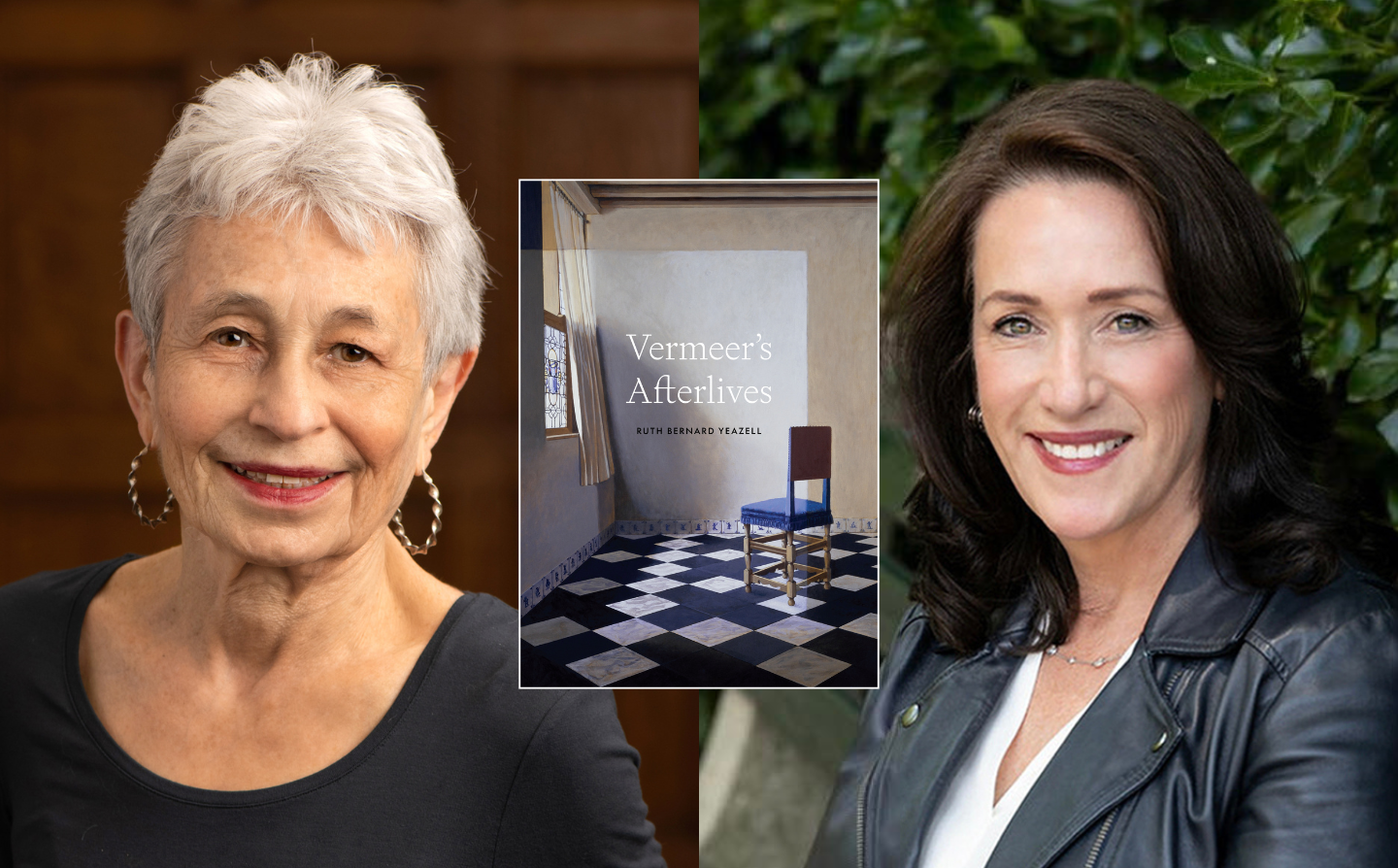
He was one of the greatest painters of the Dutch Golden Age—and for nearly two centuries, almost no one knew his name. Today, Vermeer is treasured. Again.
Vermeer's Afterlives, published by Princeton University Press this year, marking 350 years since Vermeer's death, traces how a French journalist's mid-nineteenth century quest to recover his work set off a remarkable chain of rediscovery—and asks how much of the Vermeer we revere was assembled, rather than simply recovered. The quiet, light-filled interiors we associate with him, and the sense of enigma that attaches to them, were shaped as much by the process of recovery as by the paintings themselves.
The forgery career of Han van Meegeren offers one of the book's clearest demonstrations of those expectations at work. Van Meegeren produced a faked Supper at Emmaus in the 1930s that was declared the greatest painting Vermeer ever made—not despite scholarly consensus, but because it filled a gap critics had convinced themselves was waiting to be filled: a missing bridge between Vermeer's early religious paintings and his later genre work. It succeeded because it told them what they wanted to hear.
The conversation turns to why his quiet, light-filled interiors have compelled critics, forgers, painters, poets, novelists, and filmmakers to keep responding to him ever since—from the lyric poets drawn to his silences to the novelists who fill his blanks with conflict the paintings themselves exclude. We discuss Lawrence Weschler's account of a war crimes judge at The Hague who spent his lunch hours in front of Vermeers, and what it reveals about what those paintings provide.
For anyone interested in Dutch Golden Age painting, the history of artistic reception, or the relationship between painting and literary form, this episode offers a close account of two centuries of Vermeer's afterlives.
It's very hard to sort out the Vermeer mystery from the fact that we forgot him—and that we know very little about him as a person—from the sense of enigma that attaches to the paintings themselves."
– Ruth Bernard Yeazell
Listen to this podcast on Spotify and Apple
Order the book here
Learn more about the podcast Reading the Art World here.
About the Author
Ruth Bernard Yeazell is Sterling Professor of English and Director of Graduate Studies at Yale University. Her books include Picture Titles: How and Why Western Paintings Acquired Their Names and Art of the Everyday: Dutch Painting and the Realist Novel, both published by Princeton University Press. Her writing has appeared in the New York Review of Books and the London Review of Books.