
Six Art Books Worth Your Summer
Summer has a way of making room for the kind of reading that gets crowded out the rest of the year — not lighter reading, necessarily, but slower reading. A biography you can actually sink into, an exhibition catalogue that rewards attention. An argument about art and the mind that you can sit with over a few days rather than racing through during weeks of deadlines and meetings.
None of the books on this list are 'beach reads' in the usual sense (I can't see you lugging some of them to the beach or the pool). What follows is a short, deliberate list — books that are genuinely readable, genuinely good, and genuinely worth the time you'll give them. This list is also featured on the latest episode of Reading the Art World, my podcast about books and ideas in the art world.
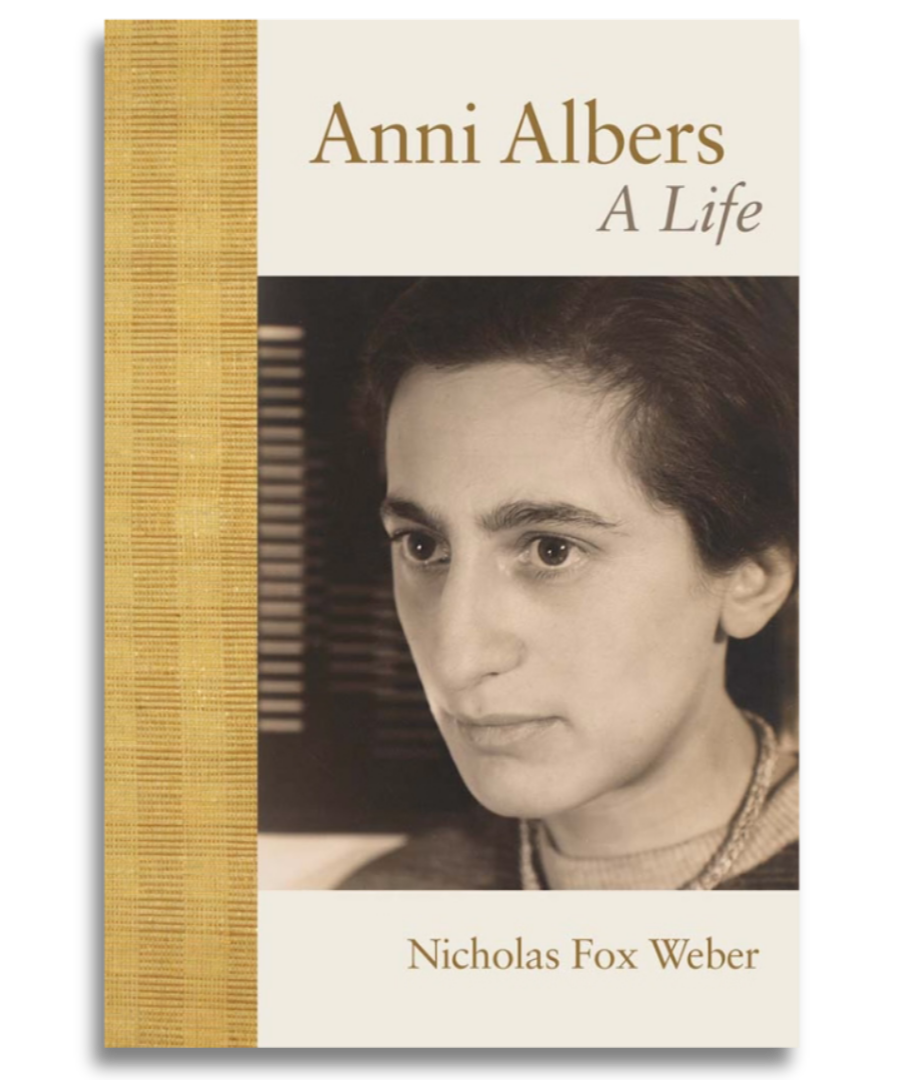
By Nicholas Fox Weber, published by Yale University Press.
Anni Albers has spent decades being eclipsed — by the Bauhaus institution she helped define, by her husband Josef, by a persistent tendency to treat textile and weaving as minor arts. Nicholas Fox Weber's biography corrects that in full. Weber, who has spent a career close to the Albers legacy, writes with the intimacy of long access and the critical distance of a serious scholar. This is a book about what it means to make work that the art world doesn't quite know how to categorize — and how an artist navigates that without losing her vision.
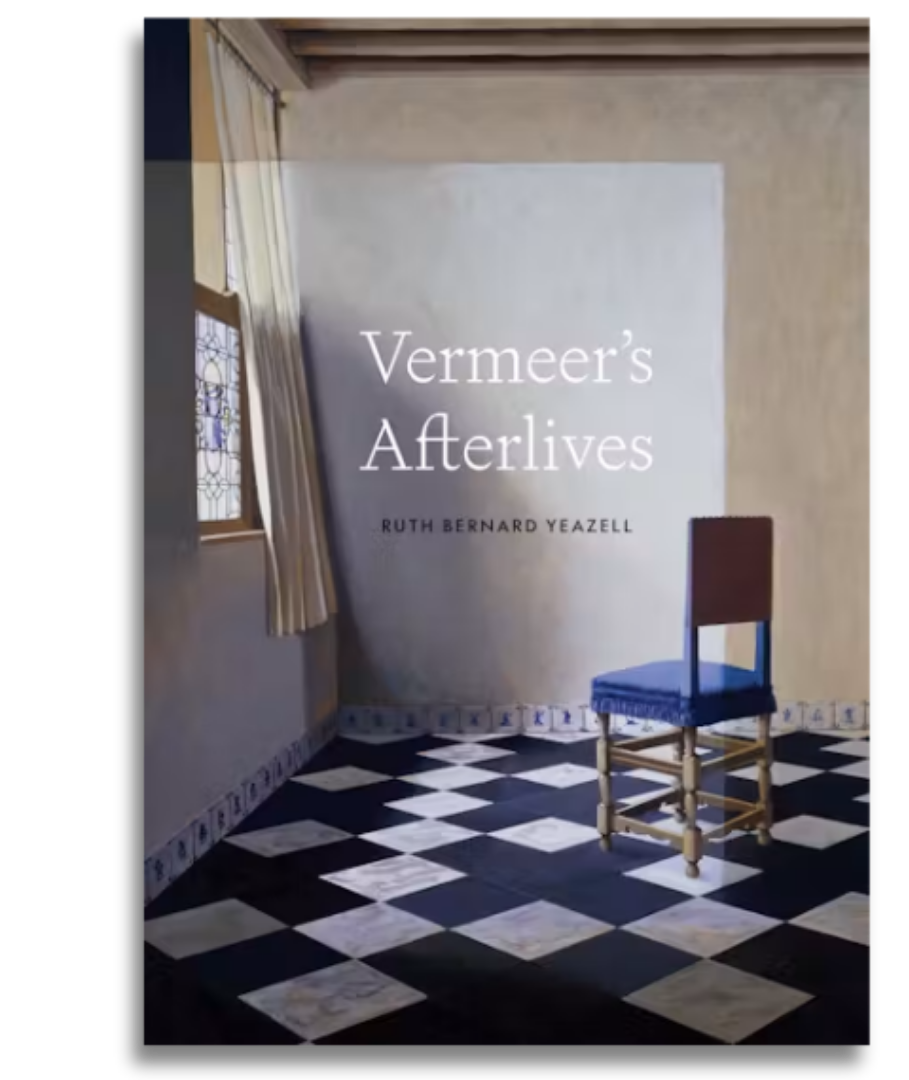
By Ruth Bernard Yeazell, published by Princeton University Press
What happens to a painting after its maker is gone — not to the canvas itself, but to its meaning, its reputation, its hold on the imagination? Ruth Bernard Yeazell asks this question of Vermeer with the kind of precise, unhurried intelligence that literary scholars bring to texts and art historians too rarely bring to pictures. This is not a biography and not a catalog analysis. It is something rarer: a meditation on how paintings live in the world across centuries, and why Vermeer in particular has never stopped generating new readings. Compact, lucid, and quietly surprising.
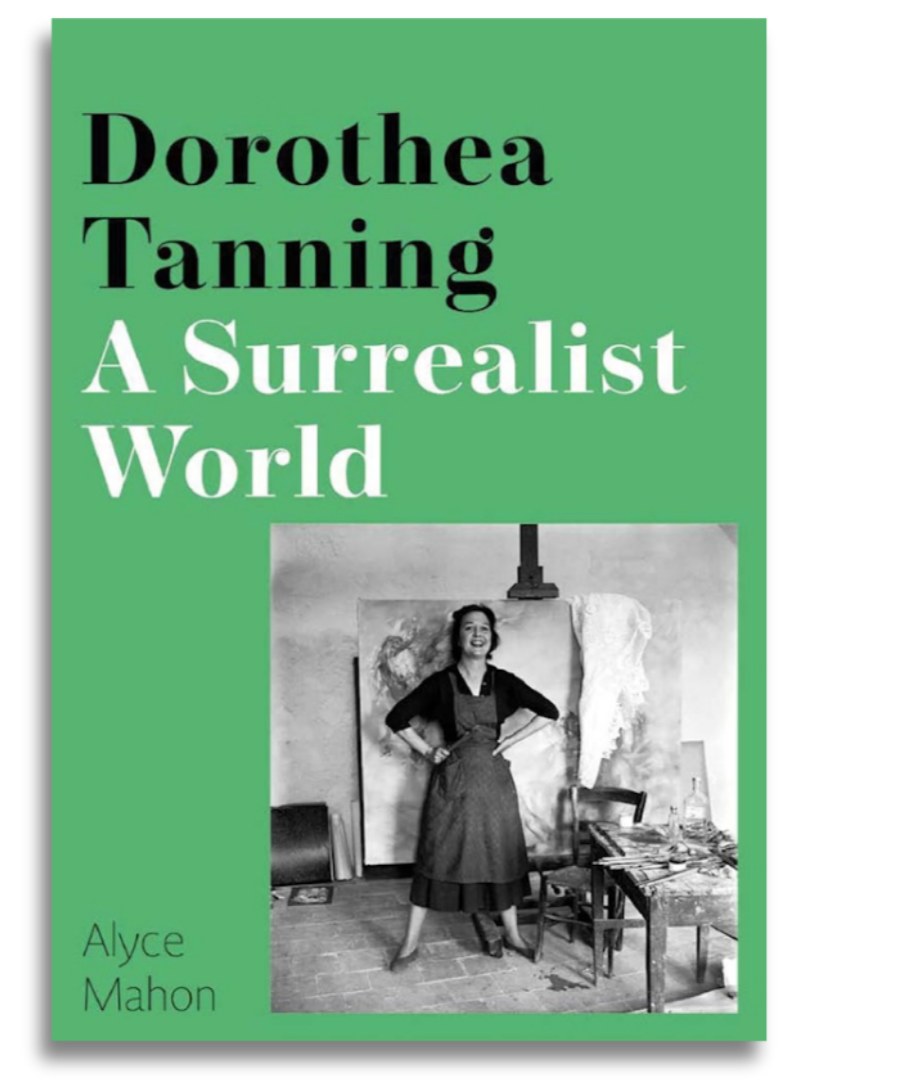
By Alyce Mahon, published by Yale University Press
Dorothea Tanning lived to 101 and spent much of her long life in the shadow of Max Ernst, her husband of thirty years. The Surrealist canon has been slow to make room for her, which makes Alyce Mahon's study particularly timely. Tanning's paintings — erotic, unsettling, formally rigorous — were never secondary work, and this book makes the case with both scholarly rigor and genuine feeling for the art. A serious reconsideration of an artist whose time, it seems clear, has come.
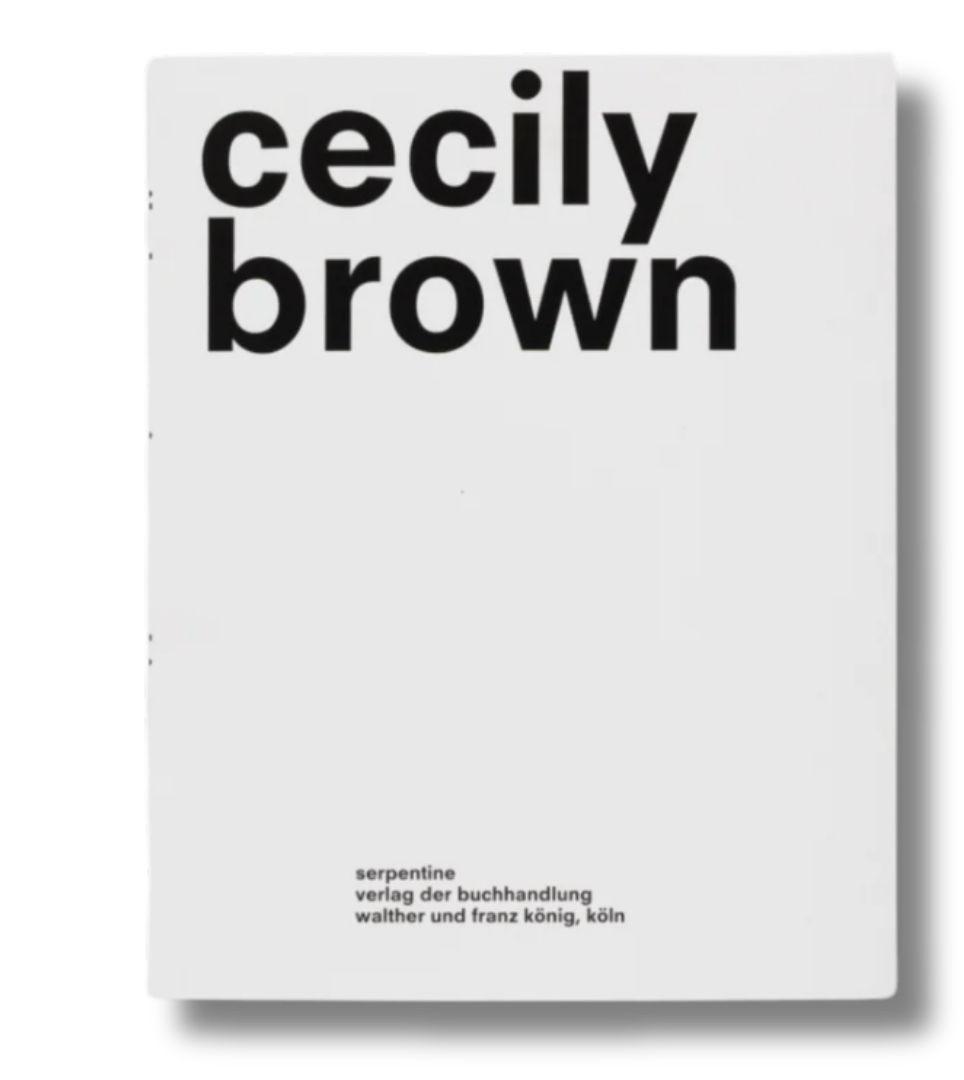
Exhibition catalogue designed by Irma Boom, co-published by Serpentine Gallery and Hans Ulrich Obrist
The most alive book on this list, and the one most likely to make you want to go directly to a gallery afterward. Published in conjunction with Brown's exhibition at the Serpentine, this is not a standard exhibition publication. Obrist's extended conversations with Brown about her process — how she thinks about painting, what she is after, what she resists — are supplemented by something unusual: personal correspondence between Brown and the painter Cecilia Paul. The result is a portrait of an artist mid-thought, which is exactly where you want to catch her. For anyone interested in what serious painting looks like from the inside in 2026, this is essential.
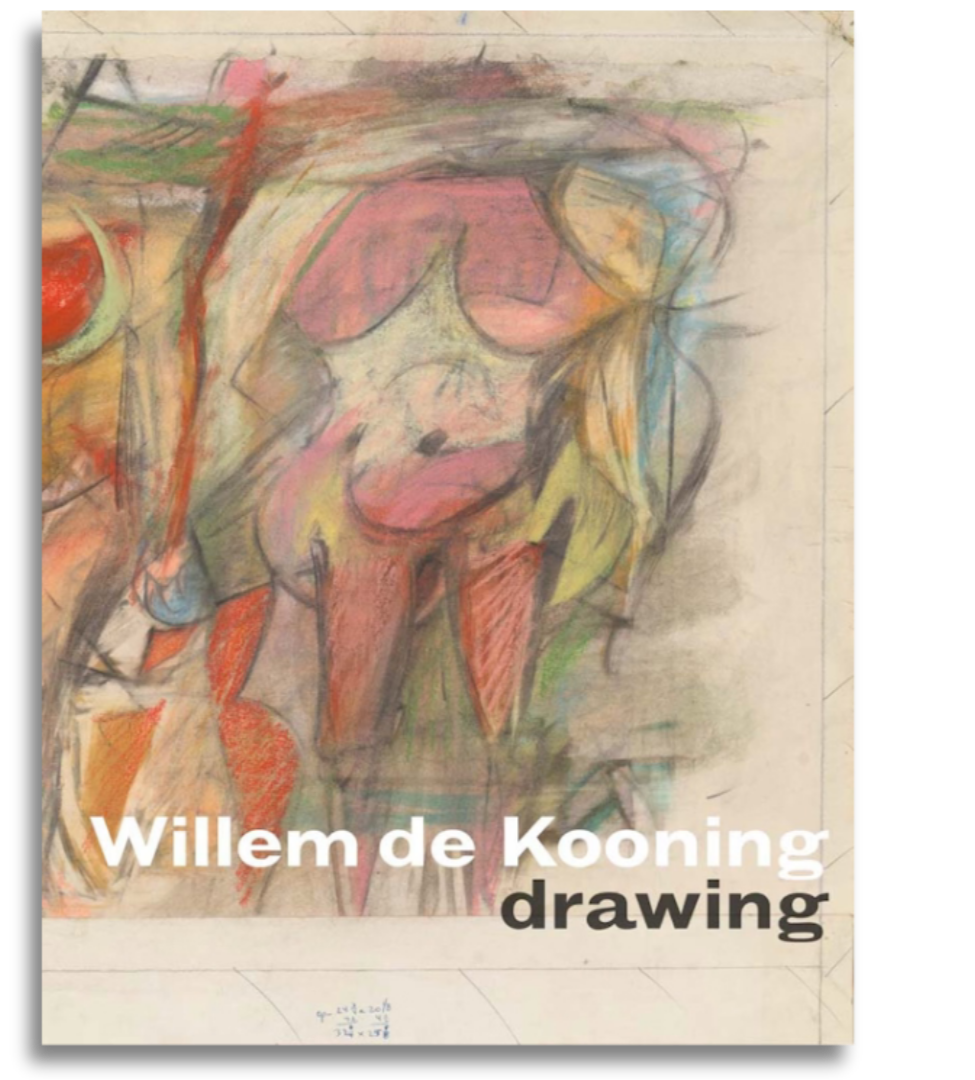
By Kevin Salatino et al., published by Yale University Press
The exhibition at the Art Institute of Chicago, which runs through September 20 before traveling to the Rijksmuseum in Amsterdam, has been called a revelation by those who have seen it — and with good reason. It is the first major exhibition to put de Kooning's drawing practice at the center rather than treating it as a warm-up act for the paintings. This catalogue, published by Yale in conjunction with the show, carries that argument through in depth. De Kooning kept more than 2,000 known drawings; the exhibition gathers over 200, many rarely seen. What emerges is a different understanding of how he worked — not in bursts of inspired paint, but through an unceasing graphic conversation with himself. Even for those who cannot make it to Chicago or Amsterdam, the catalogue earns its place on the shelf.
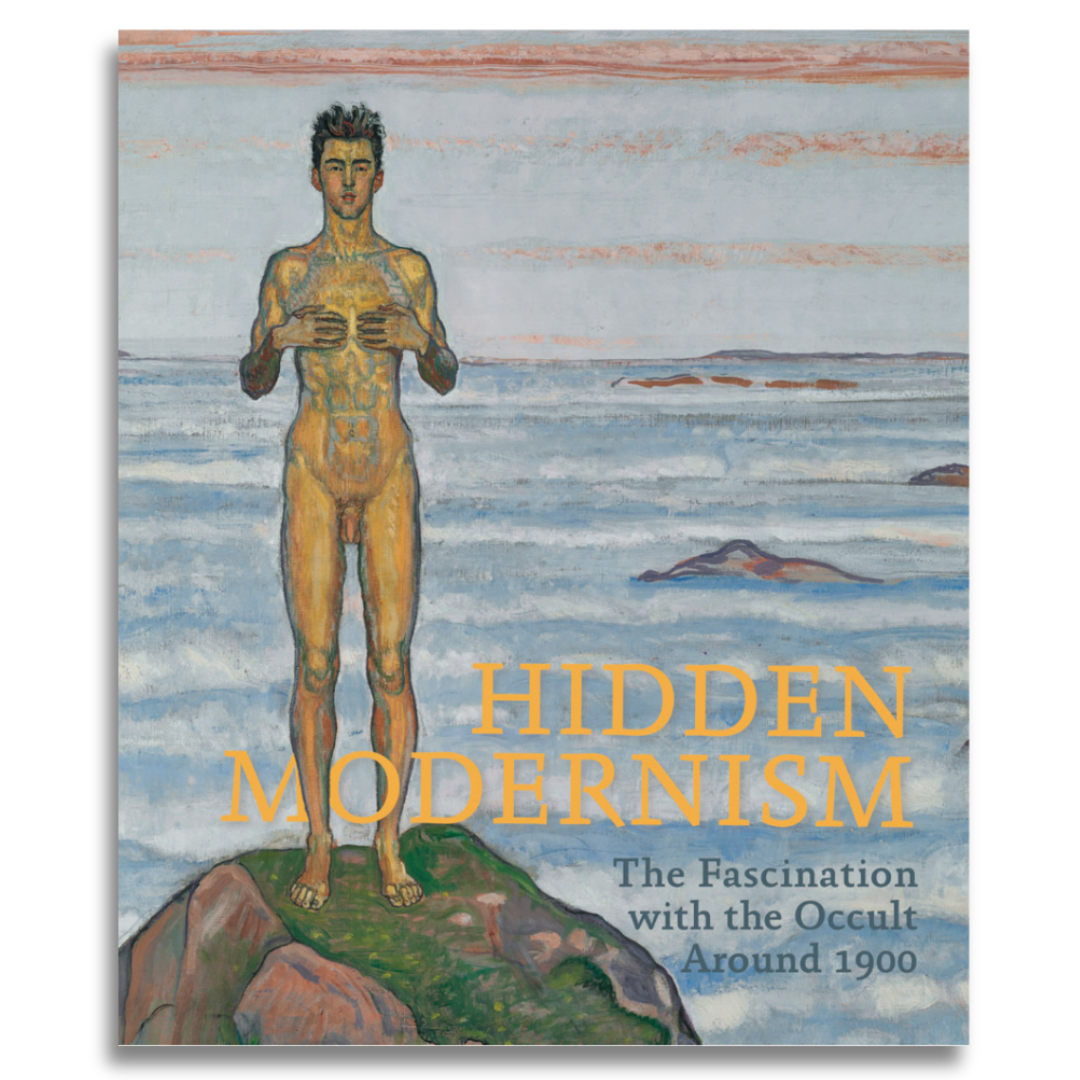
Co-published by the Leopold Museum, Vienna, and Walther König
This one requires a small act of faith on the part of the reader — it is, technically, an exhibition catalogue, published by Walther König in conjunction with a major show at Vienna's Leopold Museum. But it reads as something closer to cultural history: a serious examination of the moment just before modernism had a name, when artists, writers, and thinkers were reaching toward theosophy, spiritualism, and esoteric belief systems to make sense of a world whose old certainties were dissolving. Symbolism, Klimt, early abstraction — the roots of so much twentieth-century art run through this territory, and this book maps it with intelligence and visual richness. Dense enough to feel serious, but never inaccessible.