
Two Collections, Two Canons: What Andrew and Paul Mellon Built, One Generation Apart
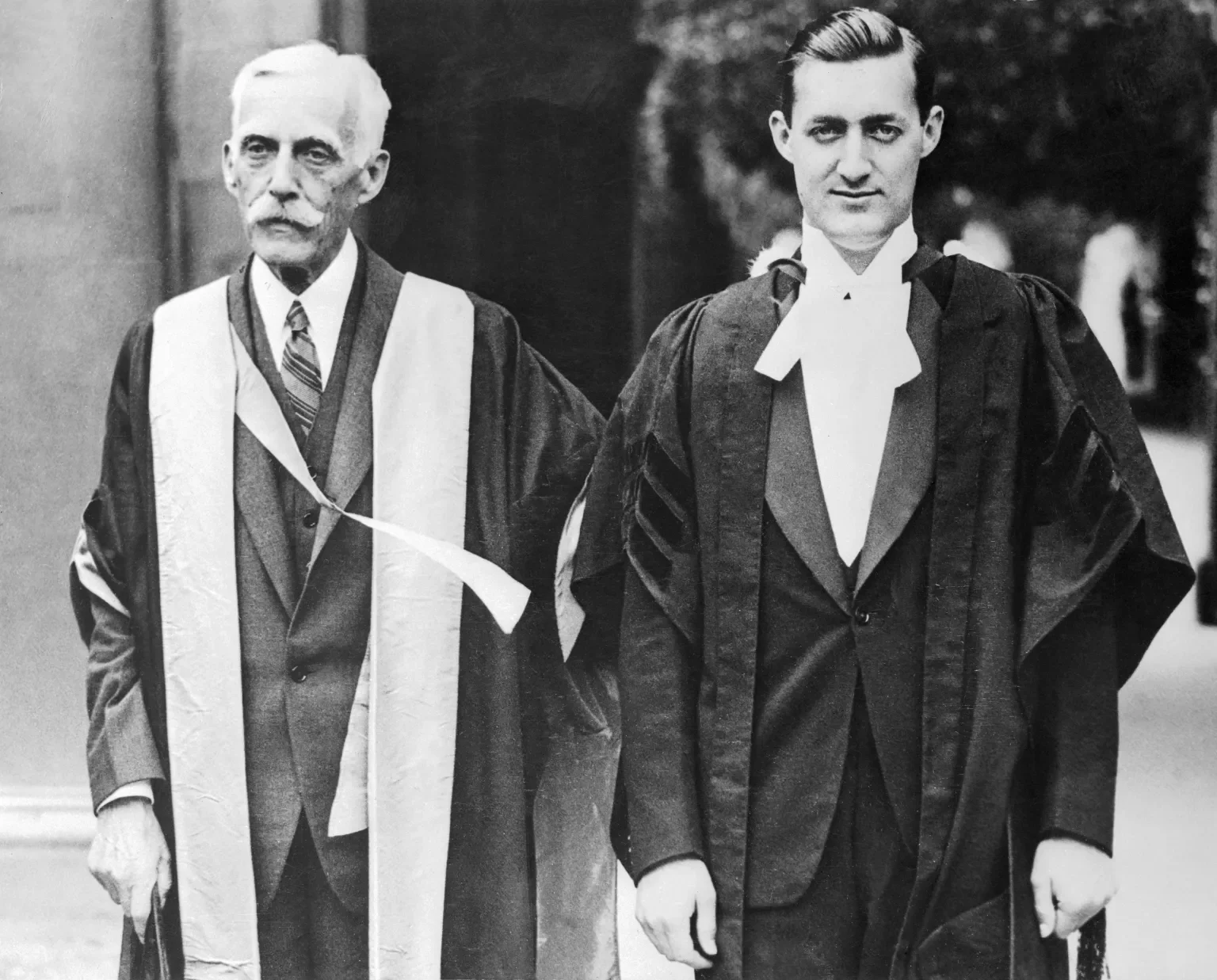
Andrew Mellon with son Paul, June 29, 1931. Image Courtesy of the Bettmann Archive.
Most of the great American collections were made by one person operating on one instinct. Frick’s was built through resolve and a growing intolerance for anything less than the best. Gardner’s was built through decades of looking before she ever bought. The National Gallery of Art in Washington was built differently, by two people who barely overlapped in their taste and never really discussed a shared plan: a father who spent thirty years buying Old Masters as a private citizen, and a son who inherited an unfinished museum at thirty and spent the rest of his life finishing it, funding it and eventually building an entirely separate collection that had almost nothing to do with his father’s.
Andrew Mellon conceived the National Gallery. Paul Mellon built it, kept it running for over four decades and then quietly developed something else beside it. Their story is really about what happens when one generation hands an unfinished project to the next—and what the next generation chooses to do with the room that leaves.
Read the full piece in Observer here.